Do you know that I am absolutely terrified of bees? 🐝
Mmhmm. Yep. The buzz alone makes me want to run for cover. Bees are unpredictable, winged missiles with stingers, and I wanted nothing to do with them. Then something shifted after I picked up a camera.
Instead of running away, I began leaning in—quite literally. What started at first as a technical challenge in photography and a self attempt at exposure therapy became something deeper. I found myself fascinated by the way bees move, how they work, how they shimmer in the light.
Through the lens, my fear faded and my curiosity bloomed. Now Bees are one of my favorite subjects to capture.
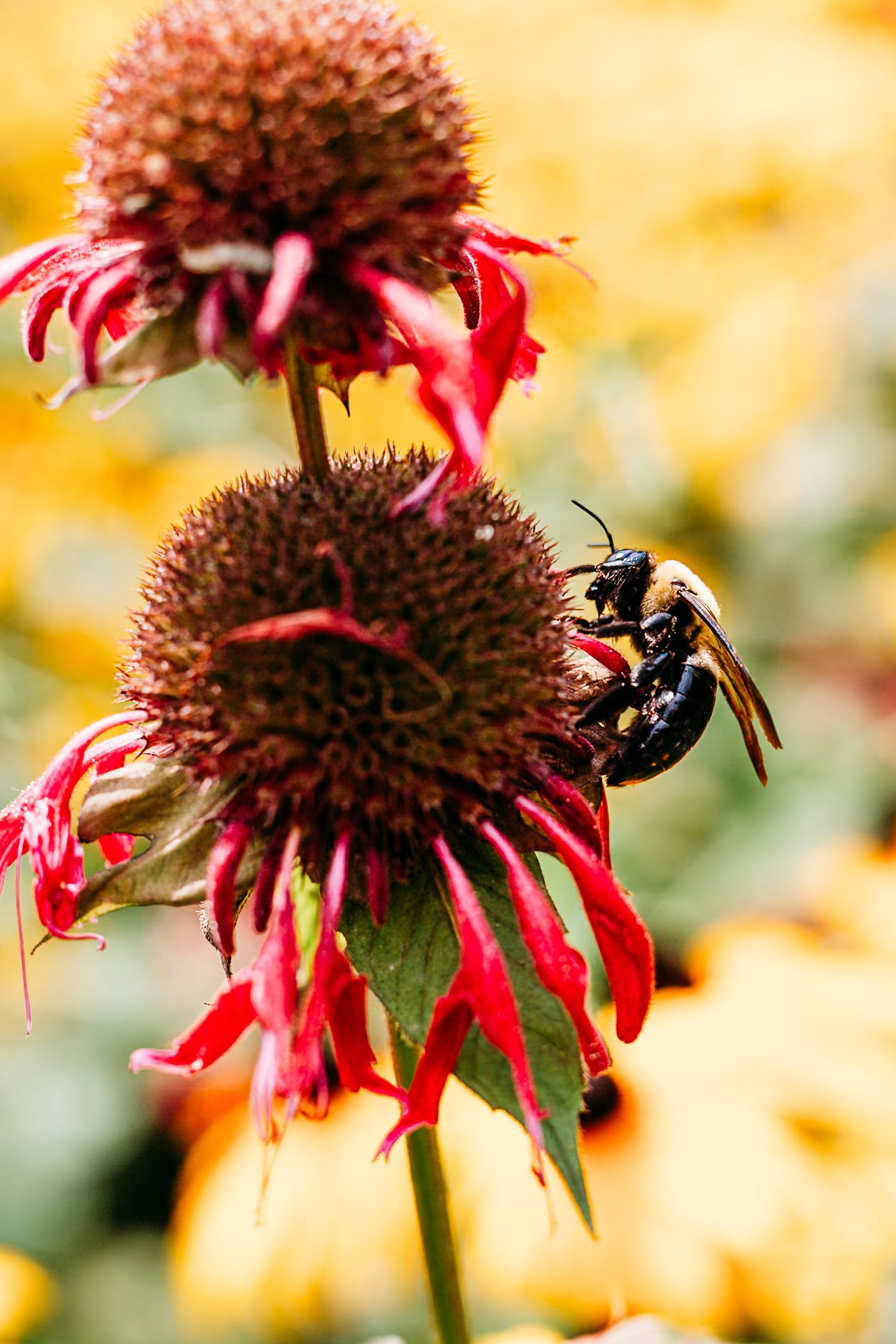
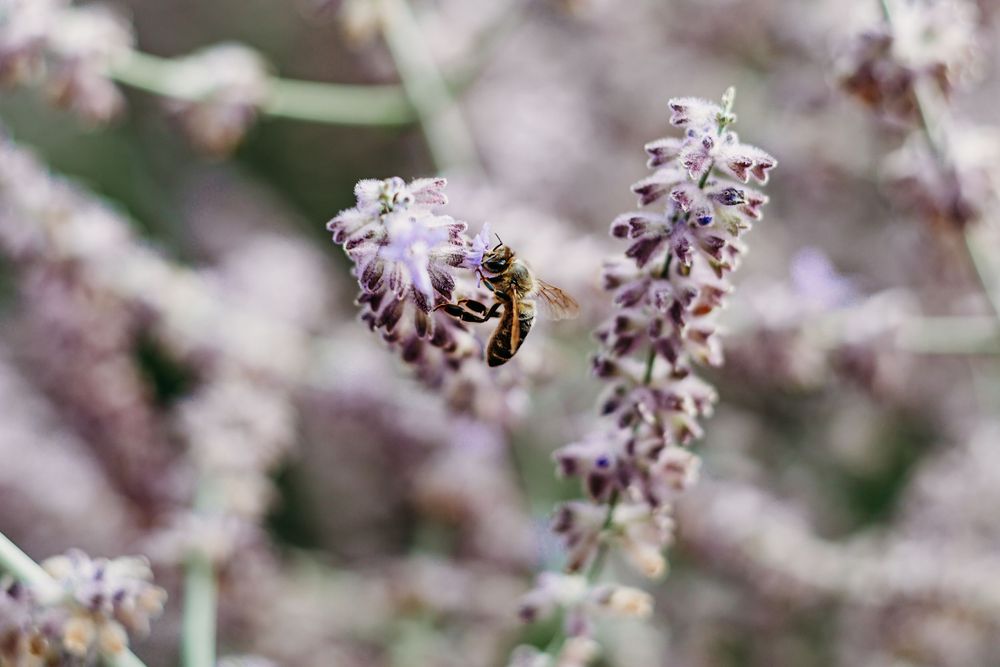
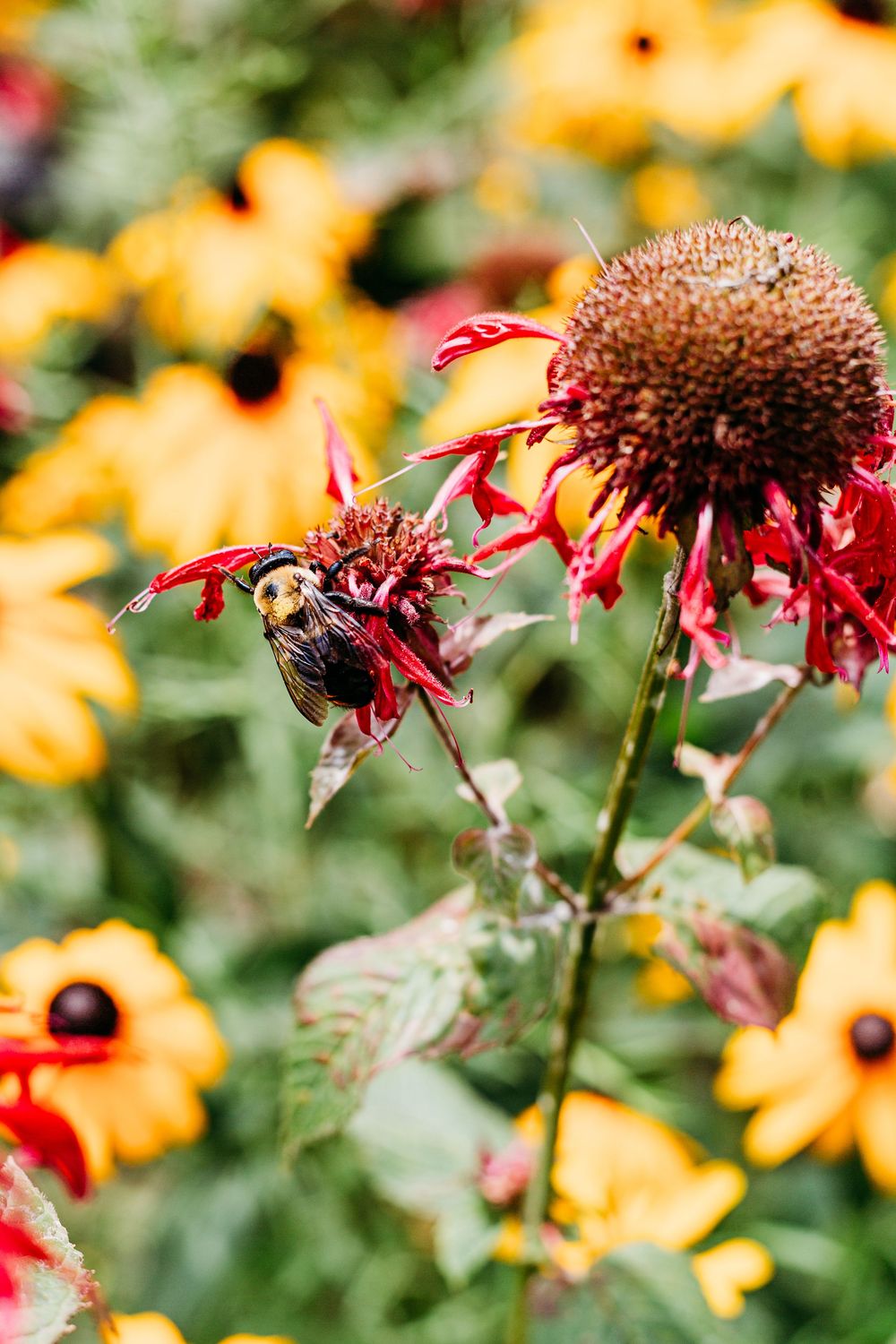
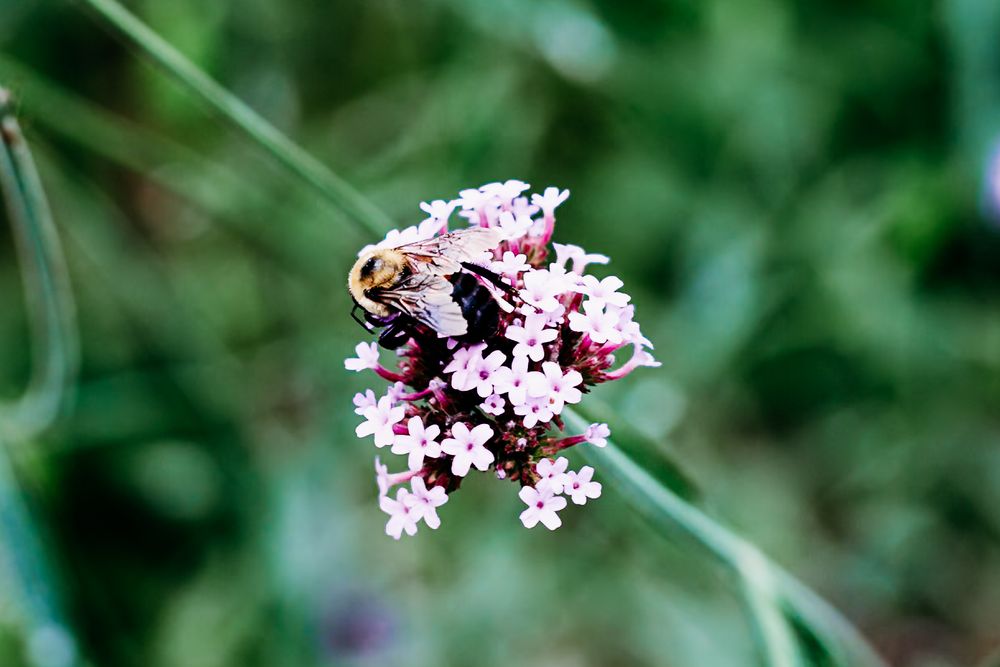
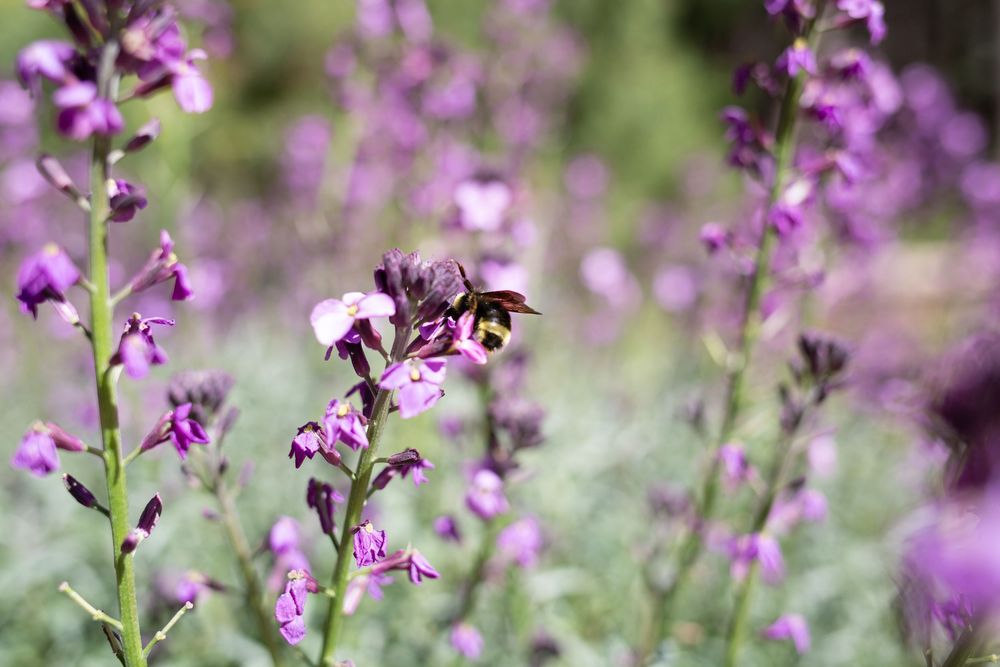
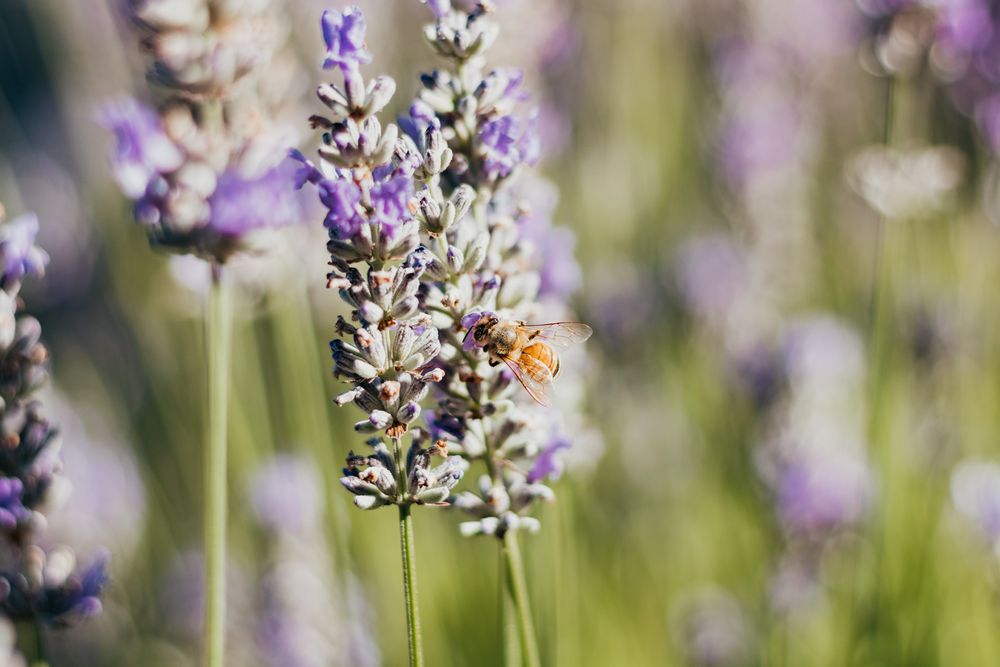
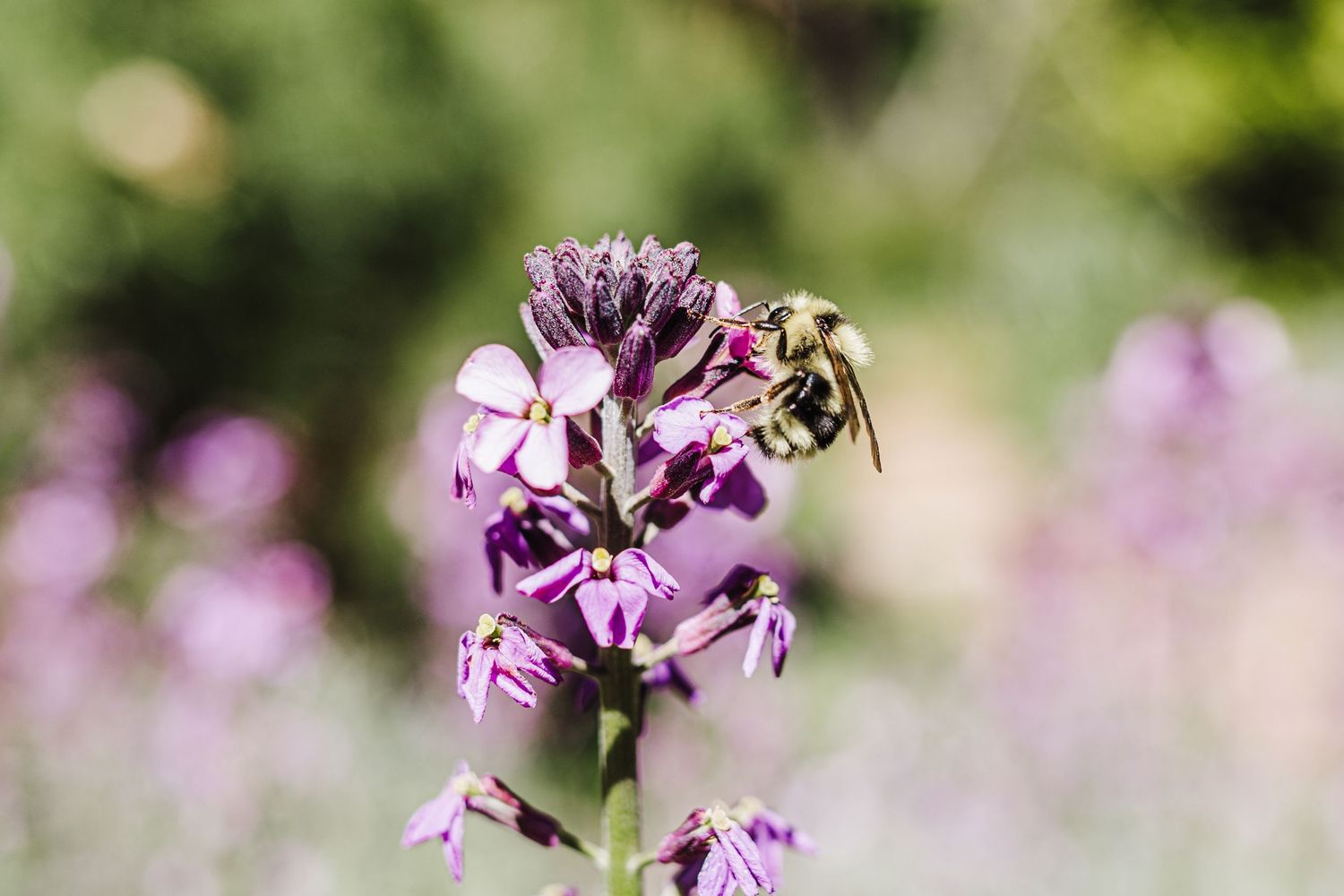
Bees are a masterclass in texture. Fuzzy thorax, translucent wings, little legs clinging to a petal like it’s their whole world. Through the lens, they look less like insects and more like tiny, airborne sculptures. There’s this beautiful intimacy to watching a bee work. It feels like you’re witnessing a sacred moment—just you, the bee, and the bloom.
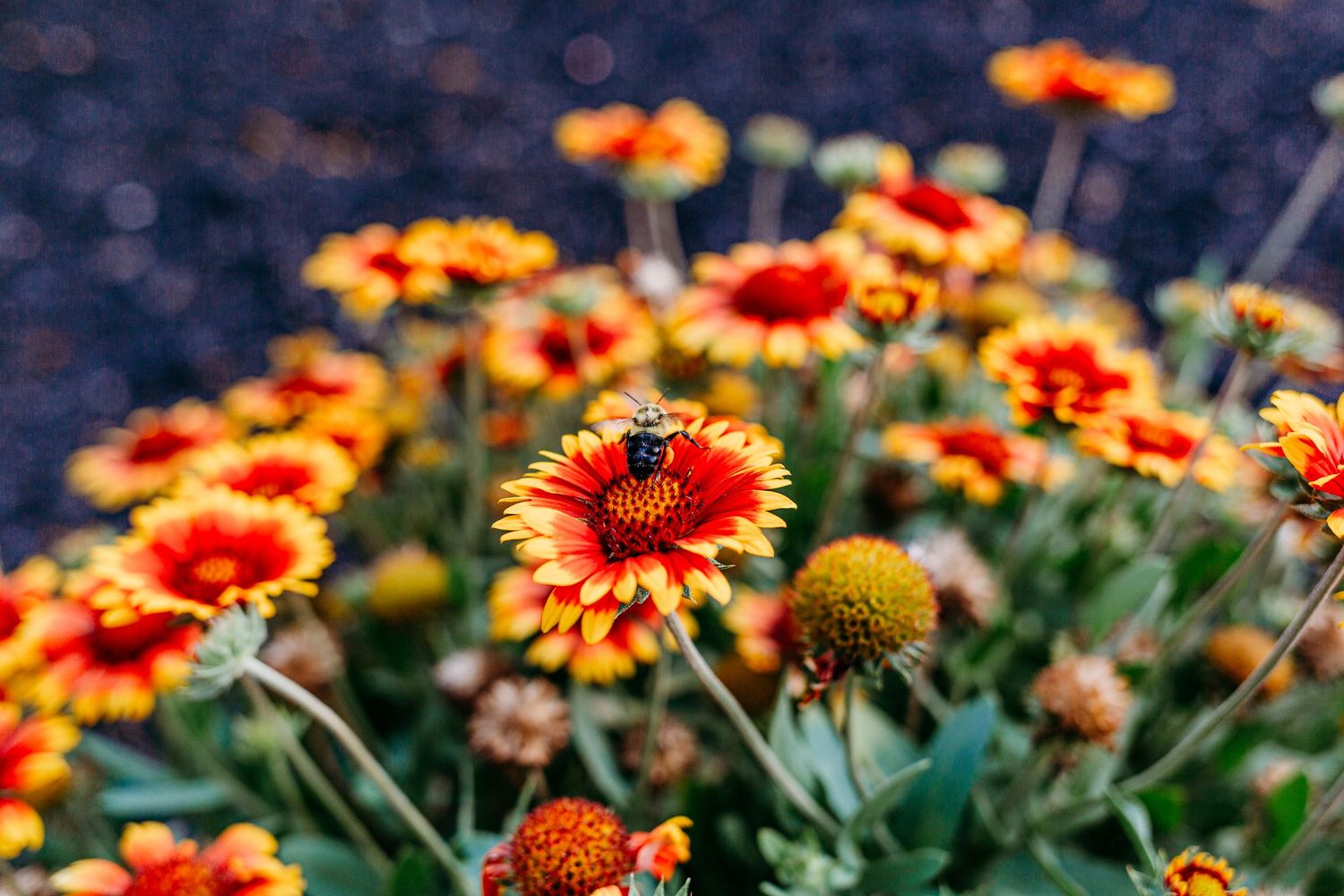
A SINGLE BEE CAN VISIT UP TO 5,000 FLOWERS IN A DAY.
That’s not a typo. Imagine the mileage. And they do it all for the hive, not themselves. No paycheck. No fame. Just collective survival.
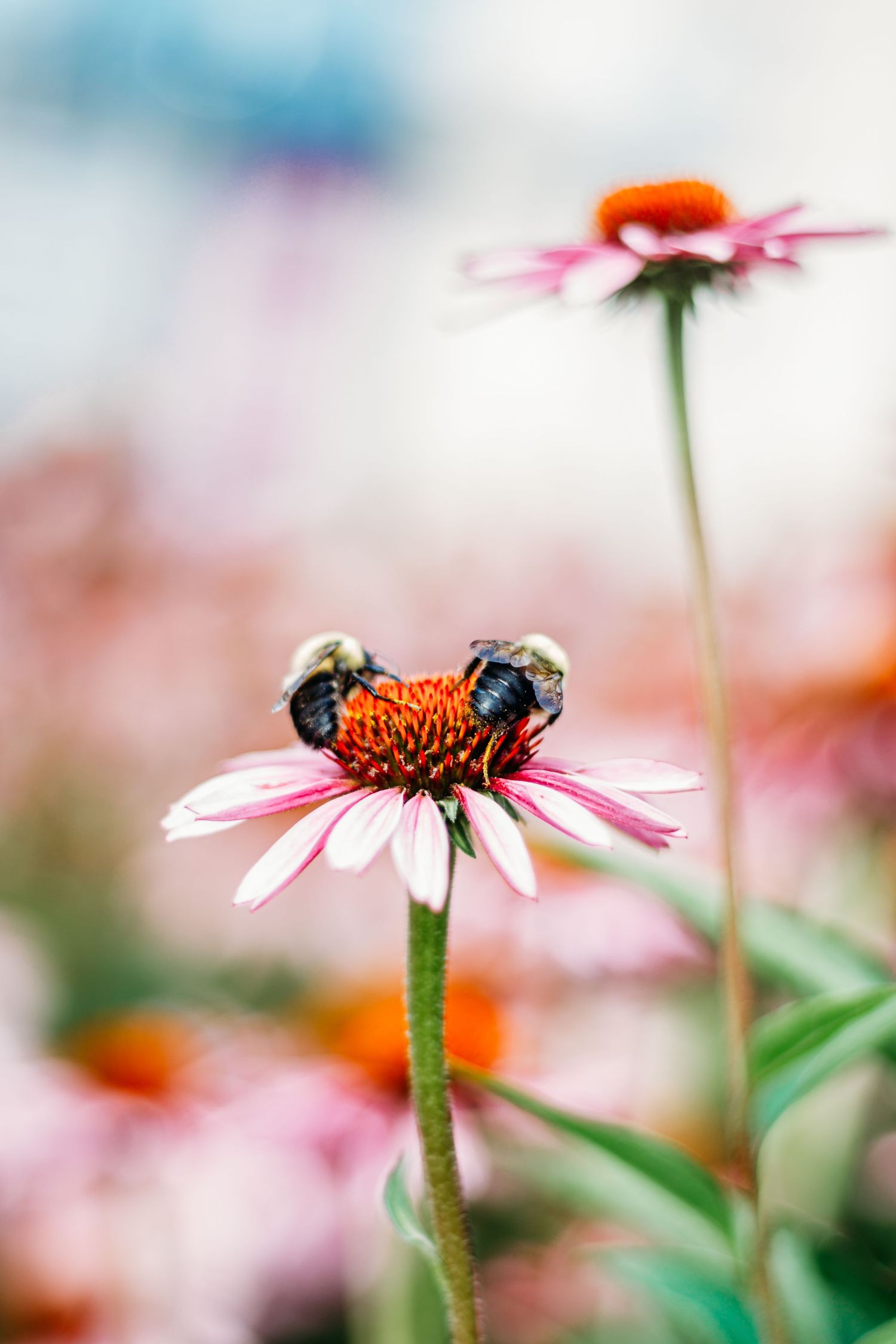
BEES CAN RECOGNIZE HUMAN FACES
Not just shapes—faces. They use the same configural processing we do, meaning they see patterns and store them. So yes, the bee buzzing near your face may actually remember it.
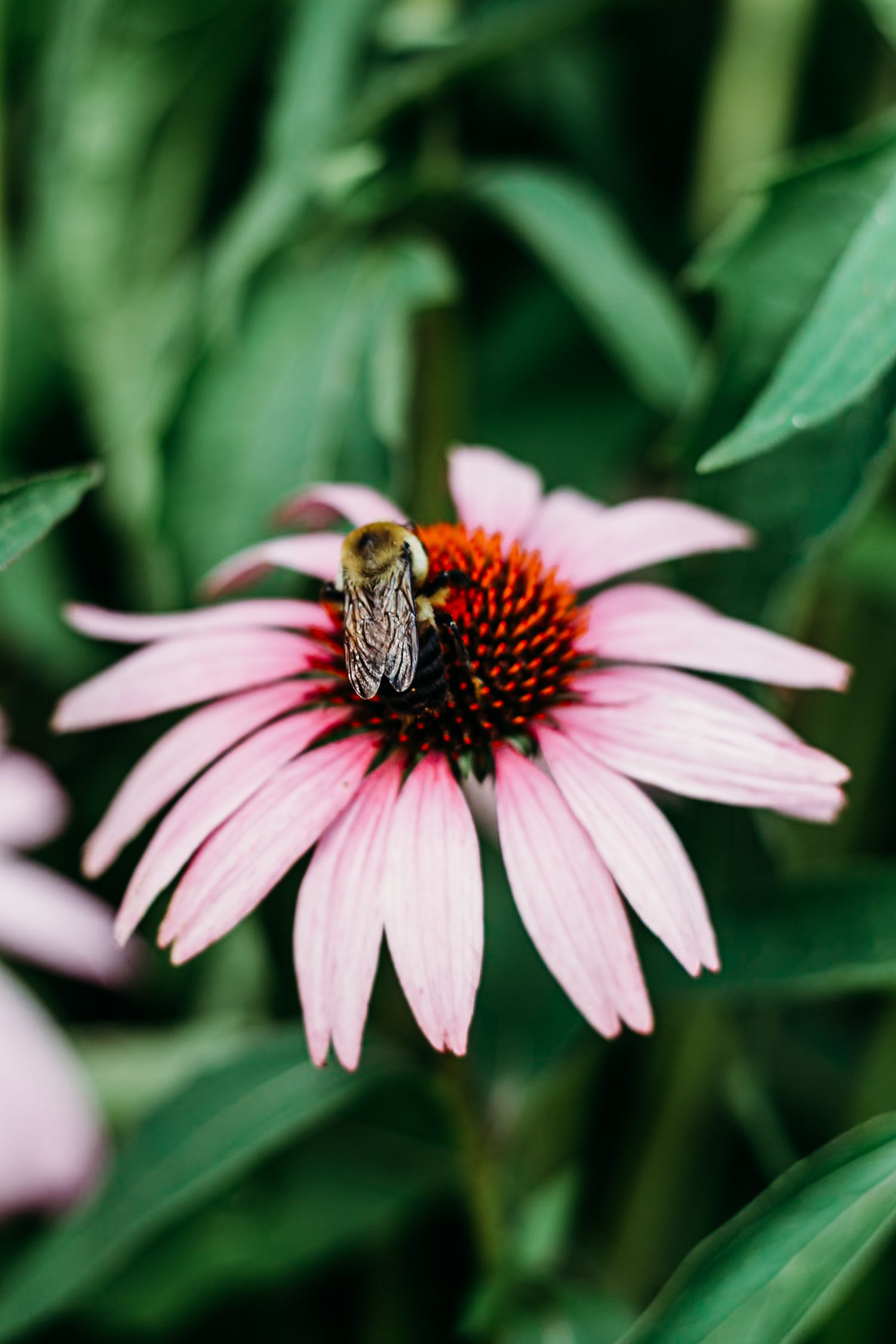
THEY FLAP THEIR WINGS 200 TIMES PER SECOND.
That gentle terrifying buzz? That’s 200 wingbeats a second. Not just fast—almost invisible. Try photographing that.
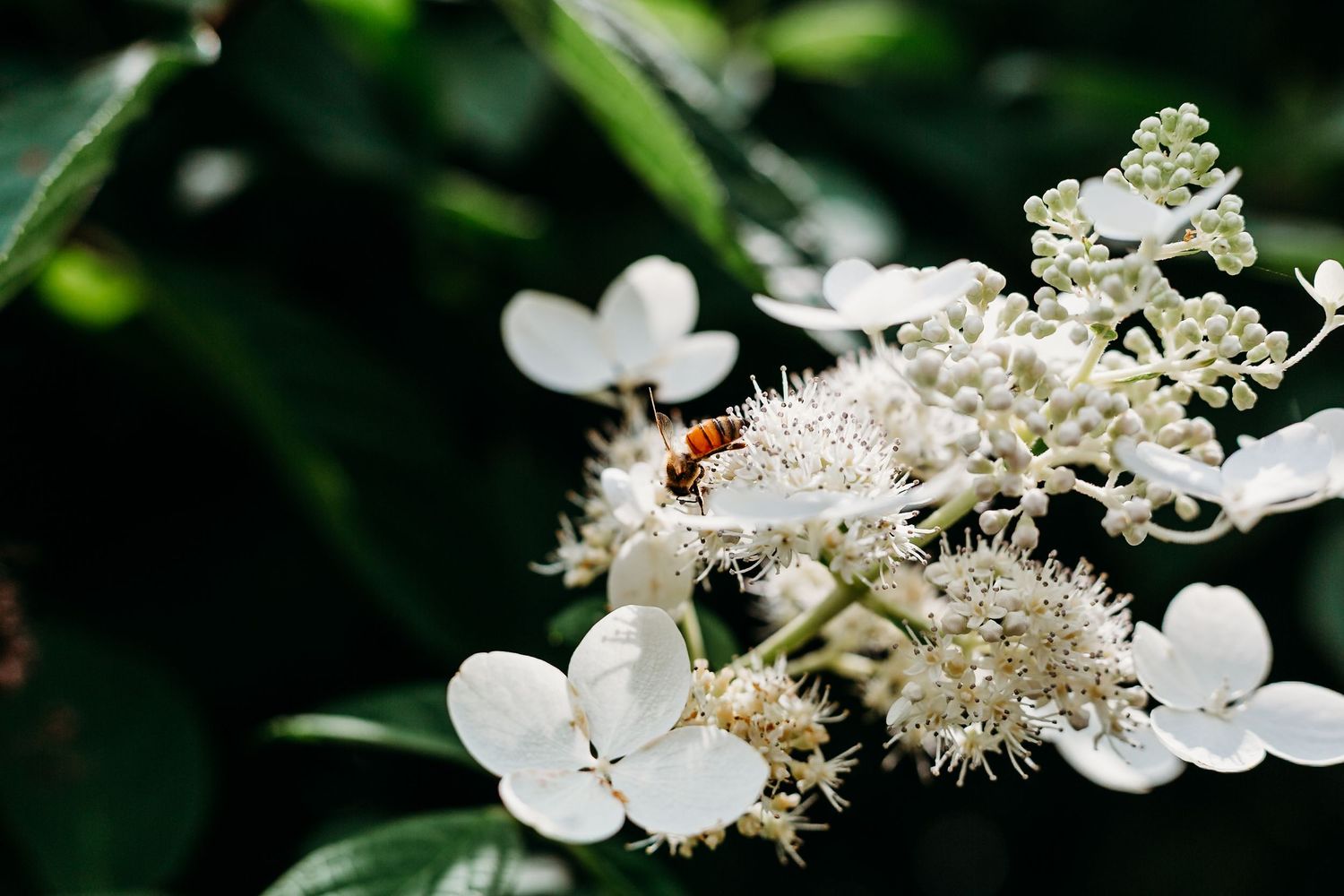
THERE ARE OVER 20,000 SPECIES OF BEES.
And most of them don’t make honey or live in hives. Many are solitary, ground-nesting, and wildly important to biodiversity—but rarely noticed.
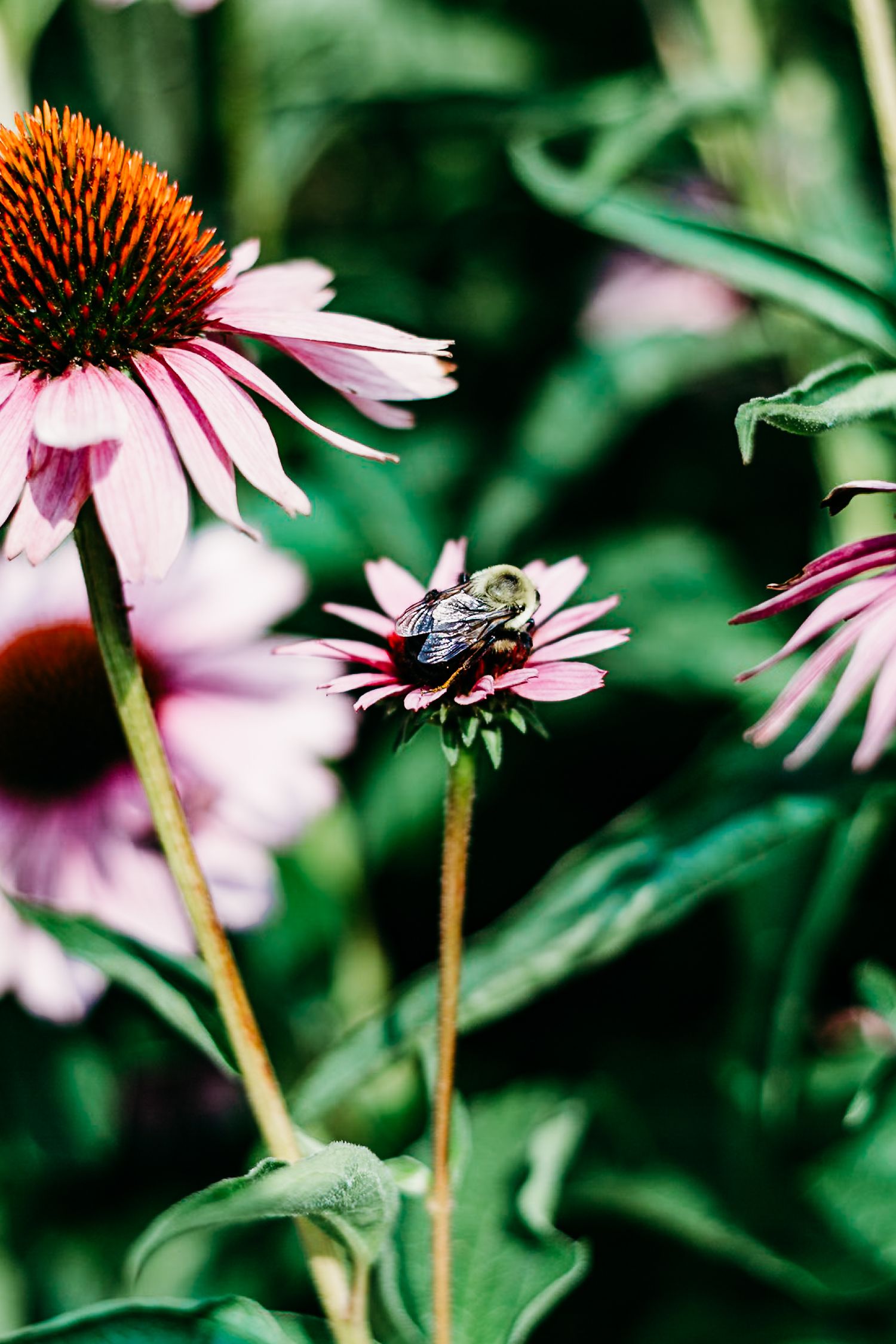
Bees can get tired and even sleep in flowers.
Sometimes you’ll find a bee napping in the crook of a blossom, its little legs curled around a petal. They get pollen-drunk and pass out like tiny golden drifters. Pure poetry.
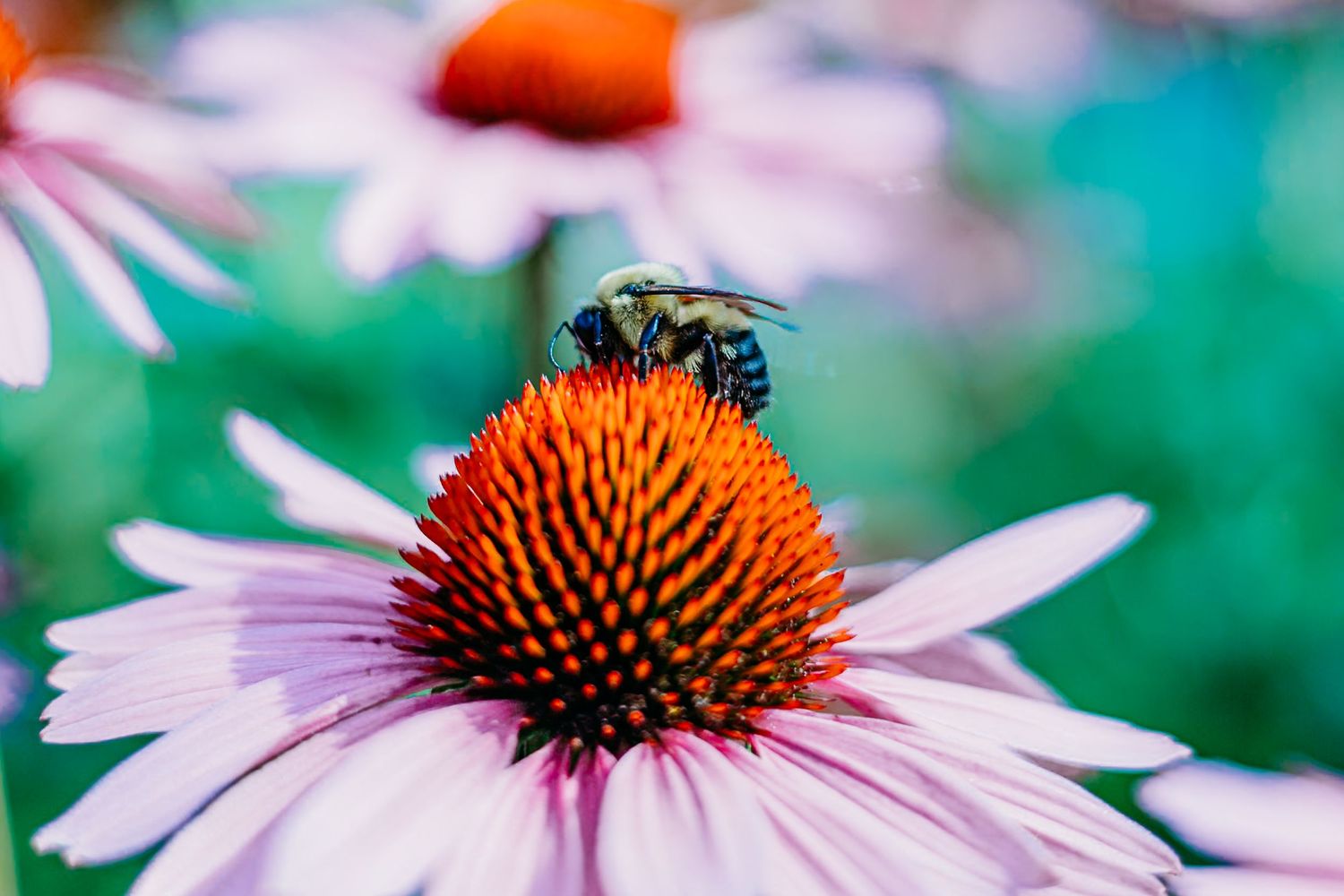
Bees are obsessed with symmetry.
They naturally prefer flowers with radial symmetry (think daisies, coneflowers, or sunflowers). Same, bees. Same.
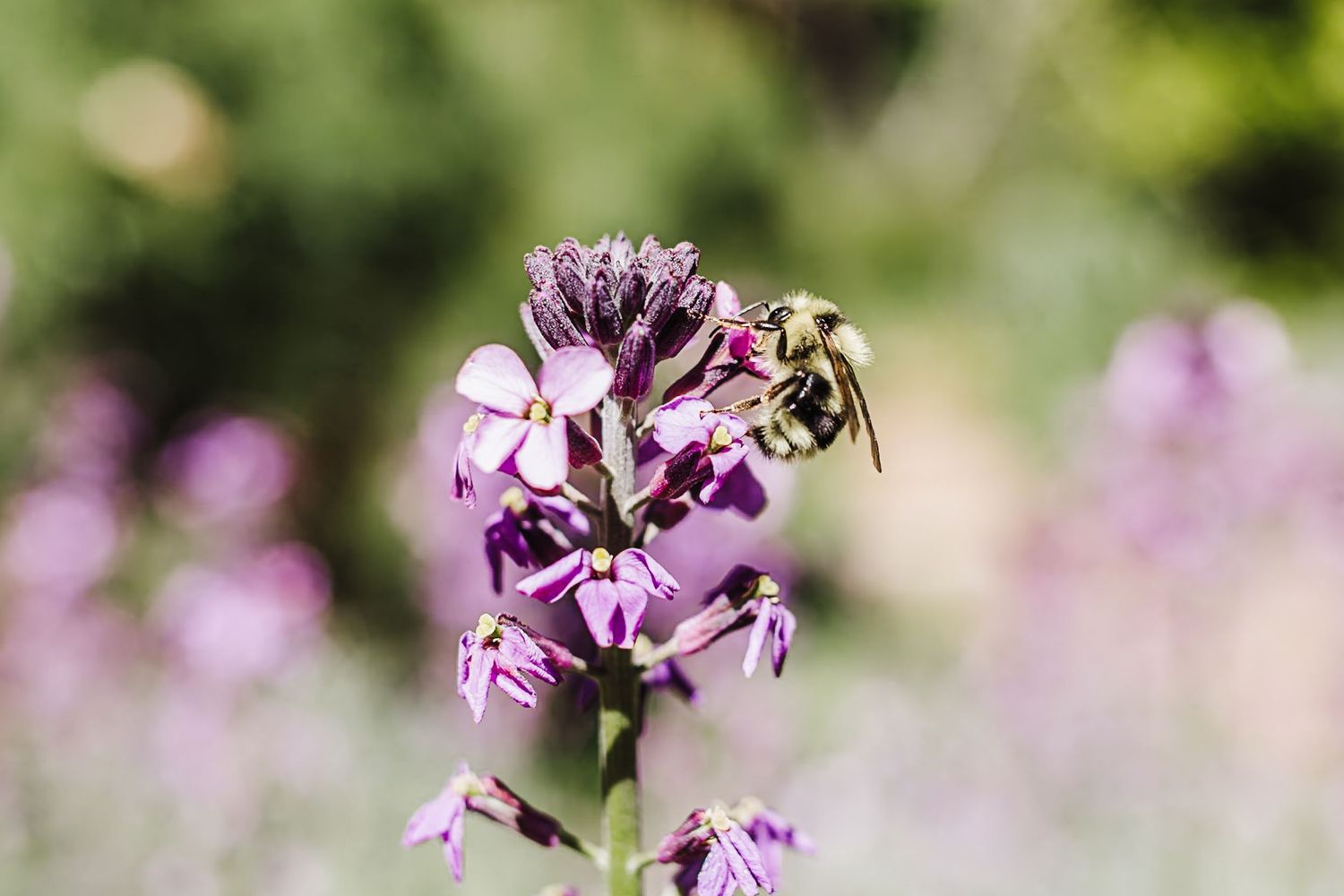
Bees don’t want to sting you.
Most bees die after stinging. So unless you’re a real threat, they’d rather keep calm and pollinate on. You're not their enemy—just a large, clumsy background character.

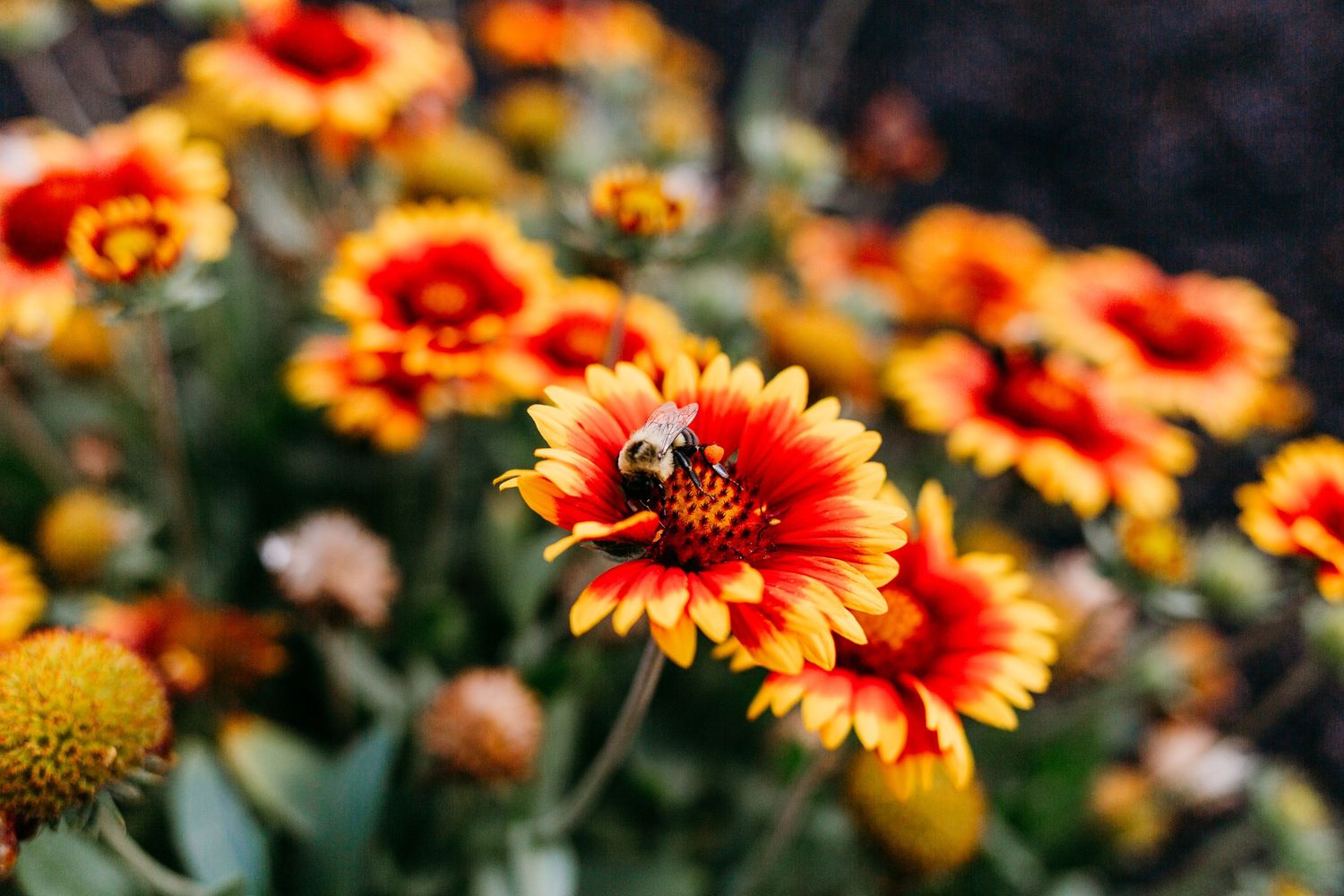
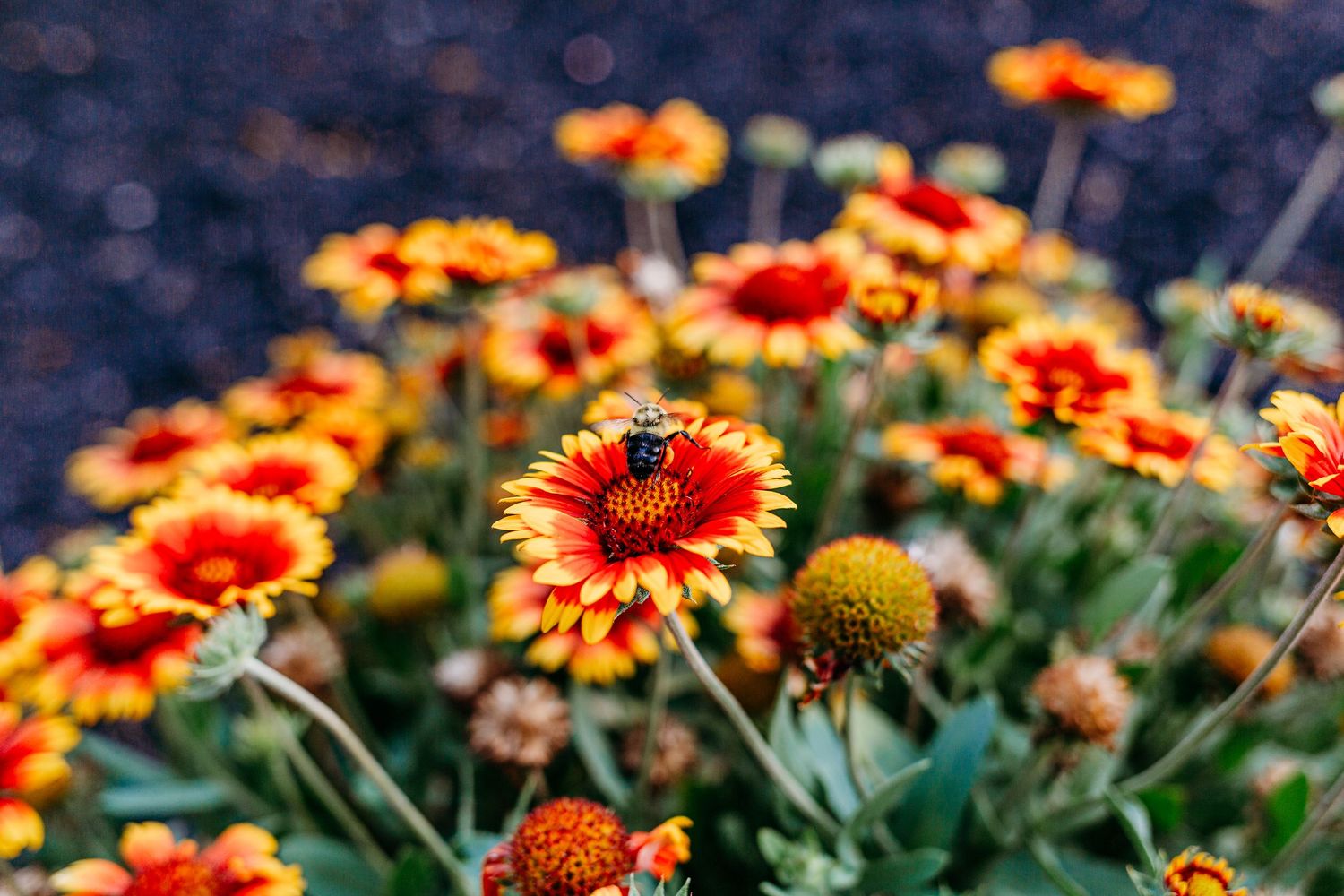
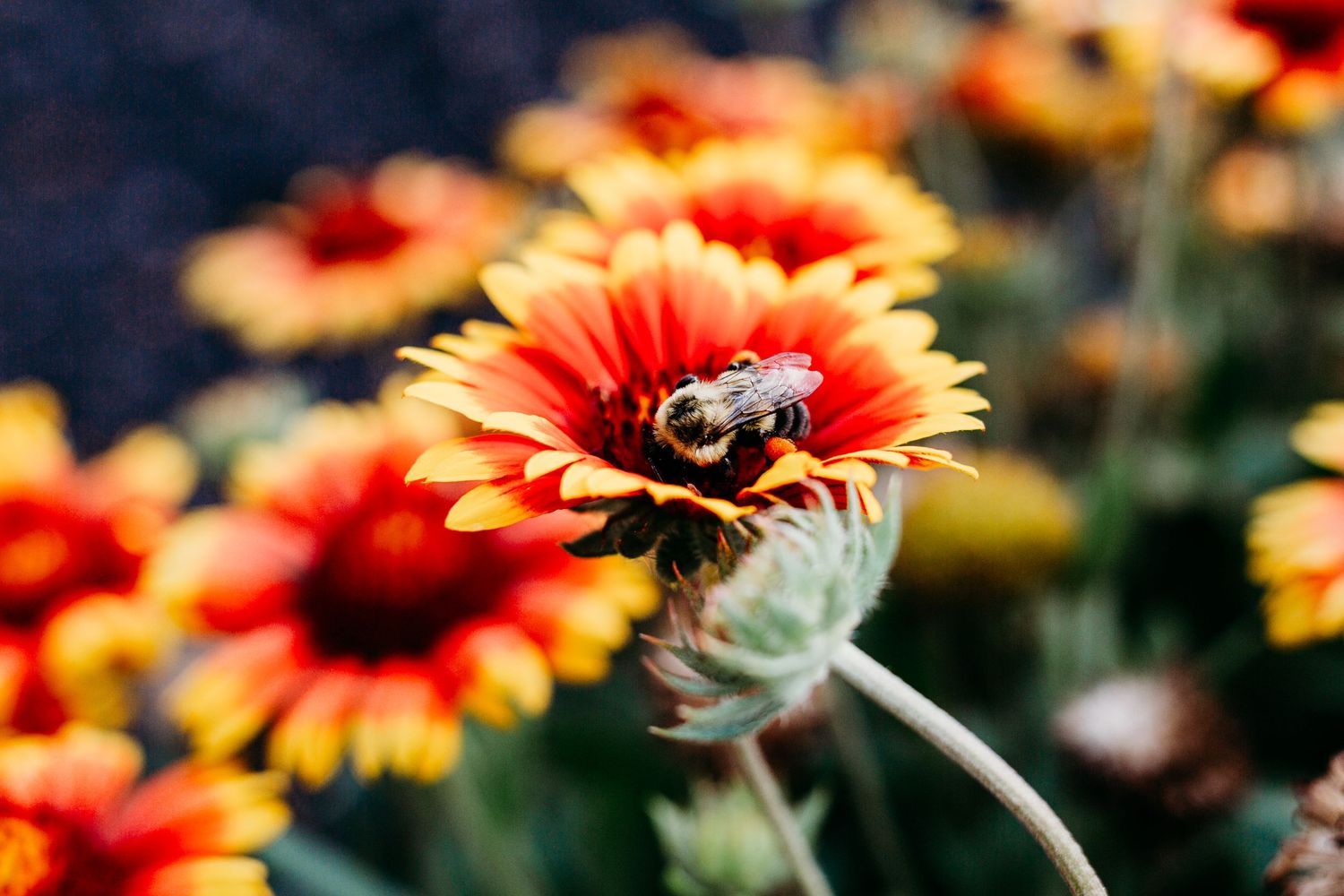
Photography taught me to pause and gave me the courage to stay with my discomfort long enough to see the beauty underneath my fear. That’s what bees gave me: a reason to look closer.
Growth looks a lot like crouching in a field with a racing heart, trying to focus on a bee instead of your panic—and realizing you’re doing it anyway.
So if you ever see me crouched in a field, camera in hand, know this: I’m not just taking a picture. I’m documenting a personal transformation. I’m photographing what once scared me—and celebrating how beautiful that fear turned out to be. Because sometimes, the best stories begin with a buzz.
🌸 Why care about Bees? They Make the World Bloom (Literally)
Bees aren’t just part of the ecosystem—they are the system. Every time a bee zips from one bloom to the next, it's performing an invisible miracle: cross-pollination. That buzz? It’s the sound of the planet being kept alive one petal at a time. Without bees, our wildflowers wouldn’t scatter so freely, and gardens would feel oddly... silent.
Bees don’t ask to be admired. They just do the work—quietly, consistently, beautifully. There’s something holy about that.
🥕 They Feed Us—Even When We Forget
Roughly 1 in 3 bites of food you eat exists because a bee pollinated something. Strawberries, almonds, avocados, apples, blueberries, pumpkins—thank a bee. Even crops like alfalfa (which feeds dairy cows) are tied to pollination.
And yet, most of their work goes unnoticed. Quiet. Essential. Underpaid. It’s a job no one else can do.
🌱 How You Can Help (Yes, You)
No, you don’t need a beekeeping suit. You don’t need land. You just need to notice. To care. And also maybe…
🌼 Plant native wildflowers (even a little pot on your patio helps)
🚫 Avoid pesticides—especially neonics and “all-in-one” treatments
🪻 Let your yard be a little wild—clover and dandelions are bee favorites
🐝 Support local beekeepers and small-scale honey producers
💬 Talk about bees—educating others is a ripple effect.