EVERY POST OFFICE CARRIES A STORY.
New Hampshire
Brookline
Small-town simplicity
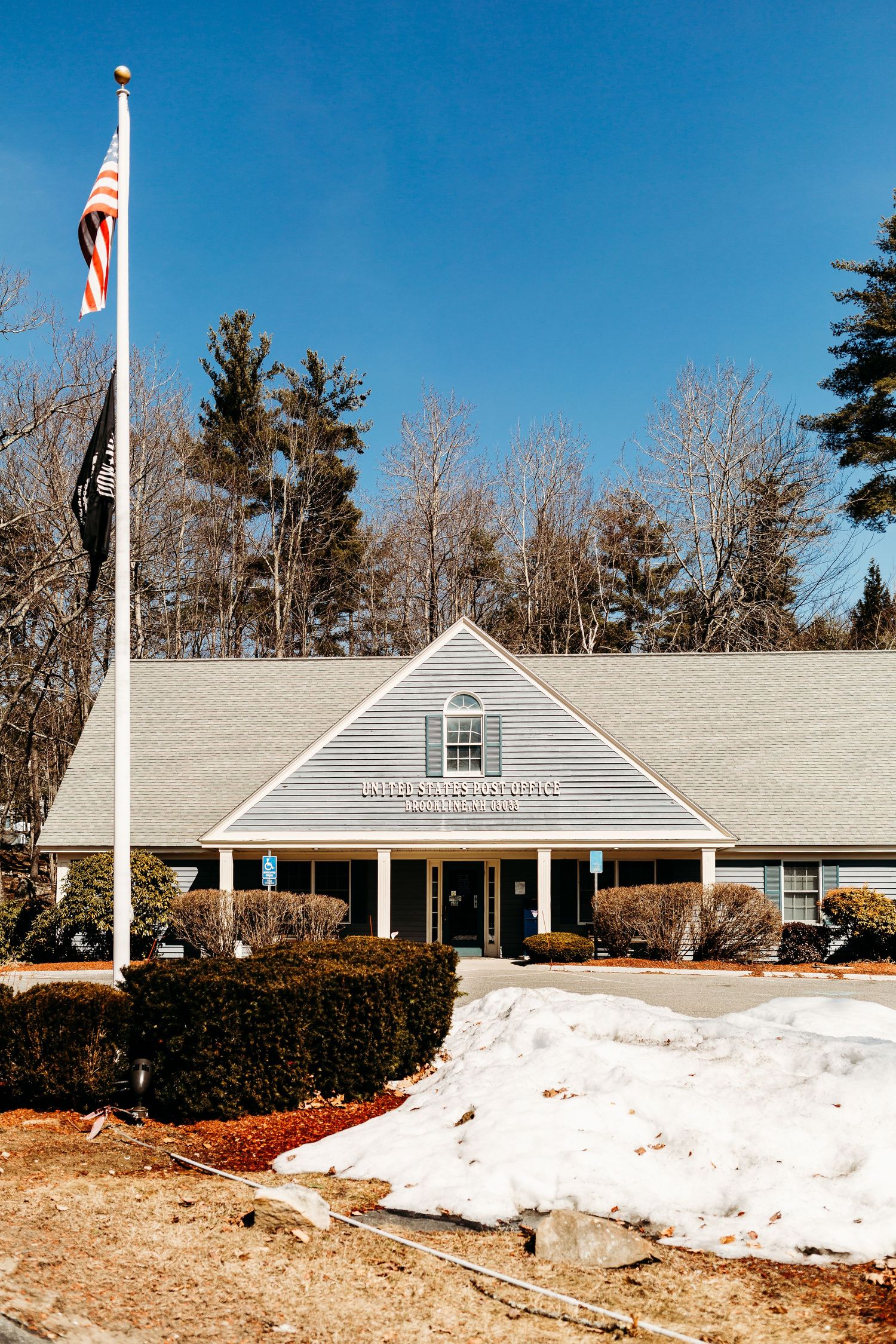
Brookline feels paused in a way that’s intentional rather than abandoned.
Interesting contrast with Brookline’s earlier post offices, one of which still survives as a repurposed concession stand at the local town ball field.
Milford
New England charm with classic brick facade.
c. 1930
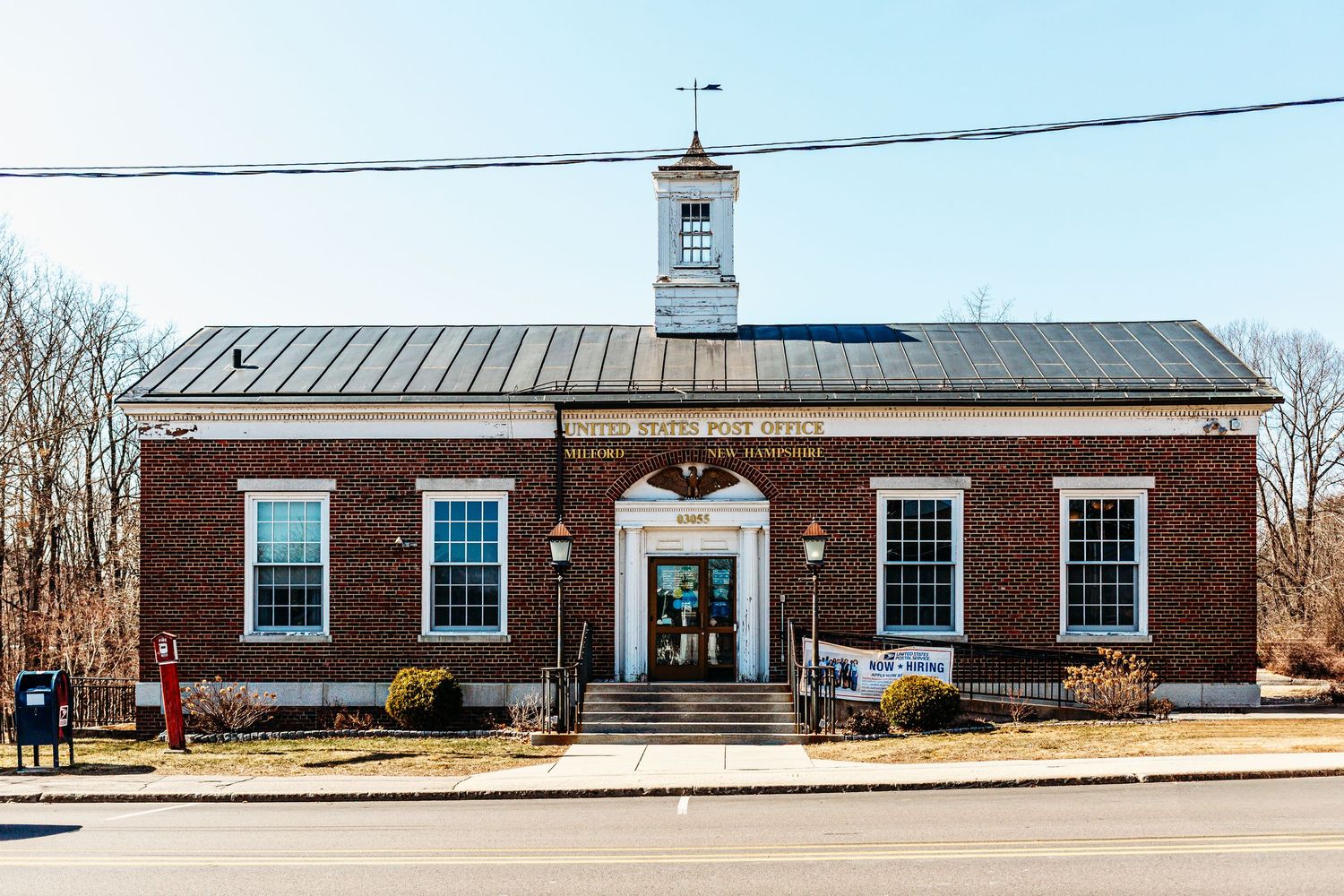
Milford’s post office feels more anchored—heavier, sturdier, aware of its own history. There’s a sense that it has seen cycles of growth and contraction, generations passing through its doors with different needs but the same routines. It carries the weight of a town that once moved faster, then slowed, then found its footing again. Standing there, you feel the accumulated presence of everyone who has stood in that same spot before you, waiting their turn.
This post office building was part of the New Deal era—funded at approximately $76,000 and adorned with a WPA‑sponsored mural titled “Lumberman Log Rolling” by Swedish immigrant Philip von Saltza, winner in a national contest.
5
Mont Vernon
Rural, understated presence
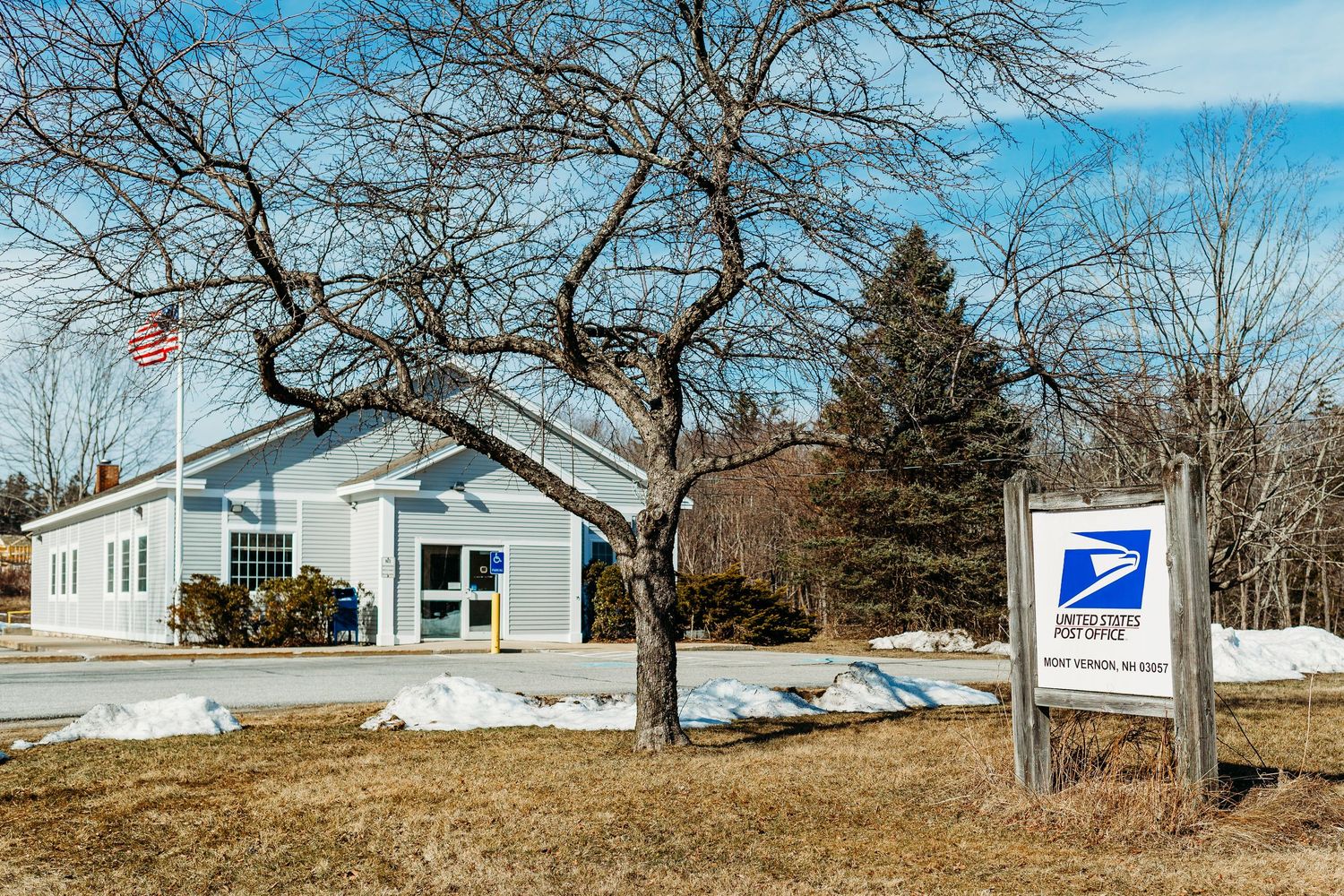
Mount Vernon’s post office is small in a way that feels deliberate, almost protective. It blends into the town rather than defining it, like something meant to be known only by those who need it. The surrounding quiet amplifies everything—the sound of footsteps, the opening of a door, the brief exchange between neighbors. This is a place where mail still feels personal, where the building itself seems to recognize familiar faces.
The town’s name itself bears a quirky postal footnote: originally spelled “Mont Vernon” (without the “u”), a post office spelling tweak in the late 1800s briefly added it, only to revert later after local debate.
New Boston
The Nameless building
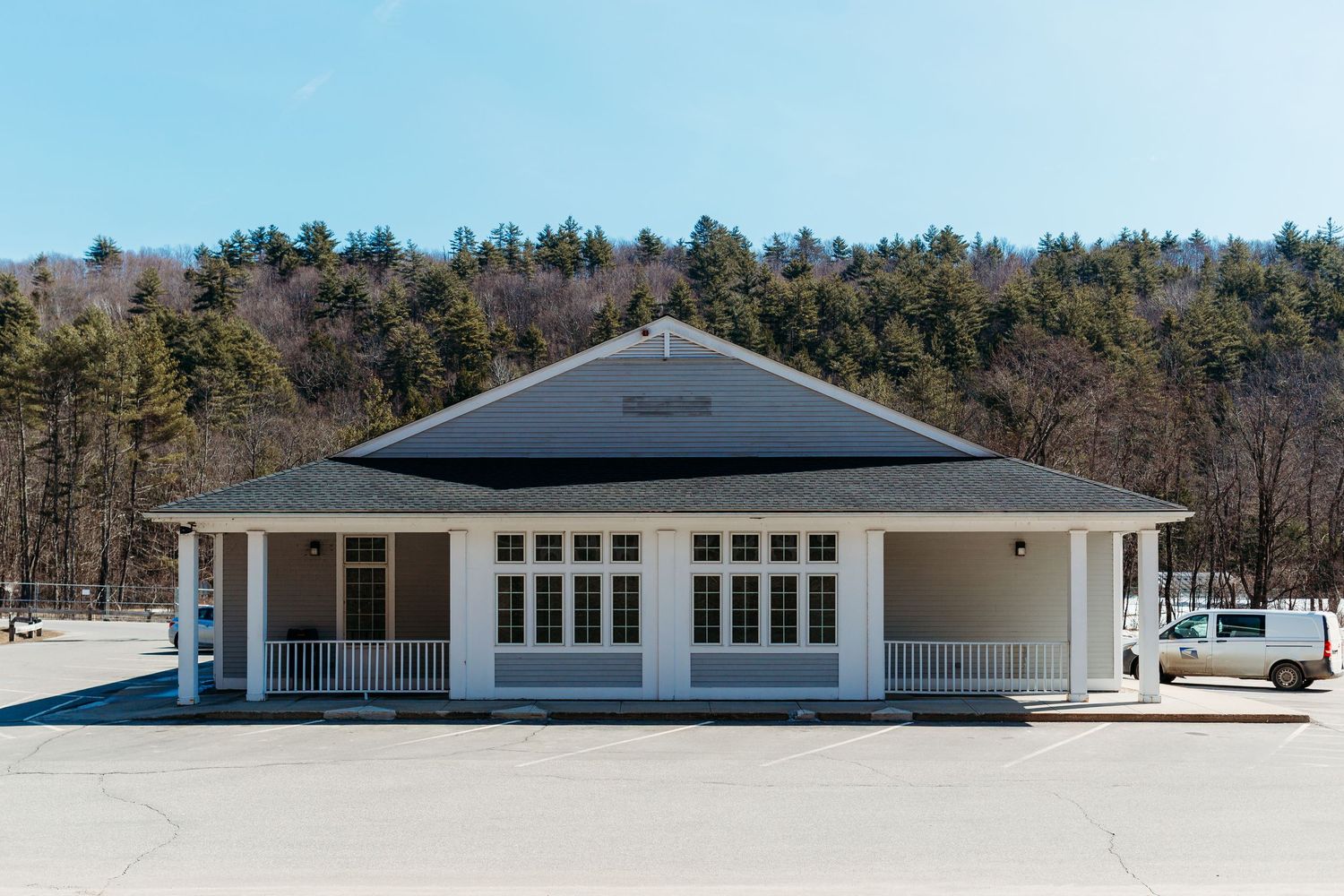
New Boston’s post office doesn’t announce itself. There’s no bold signage, no architectural flourish demanding recognition. It’s the kind of building you might overlook unless you’re paying attention—and that’s exactly what makes it compelling. Its anonymity feels earned, not accidental. It exists because it needs to, not because it wants to be seen. In a way, it’s one of the purest expressions of what a post office is meant to be: functional, steady, quietly essential.
Weare
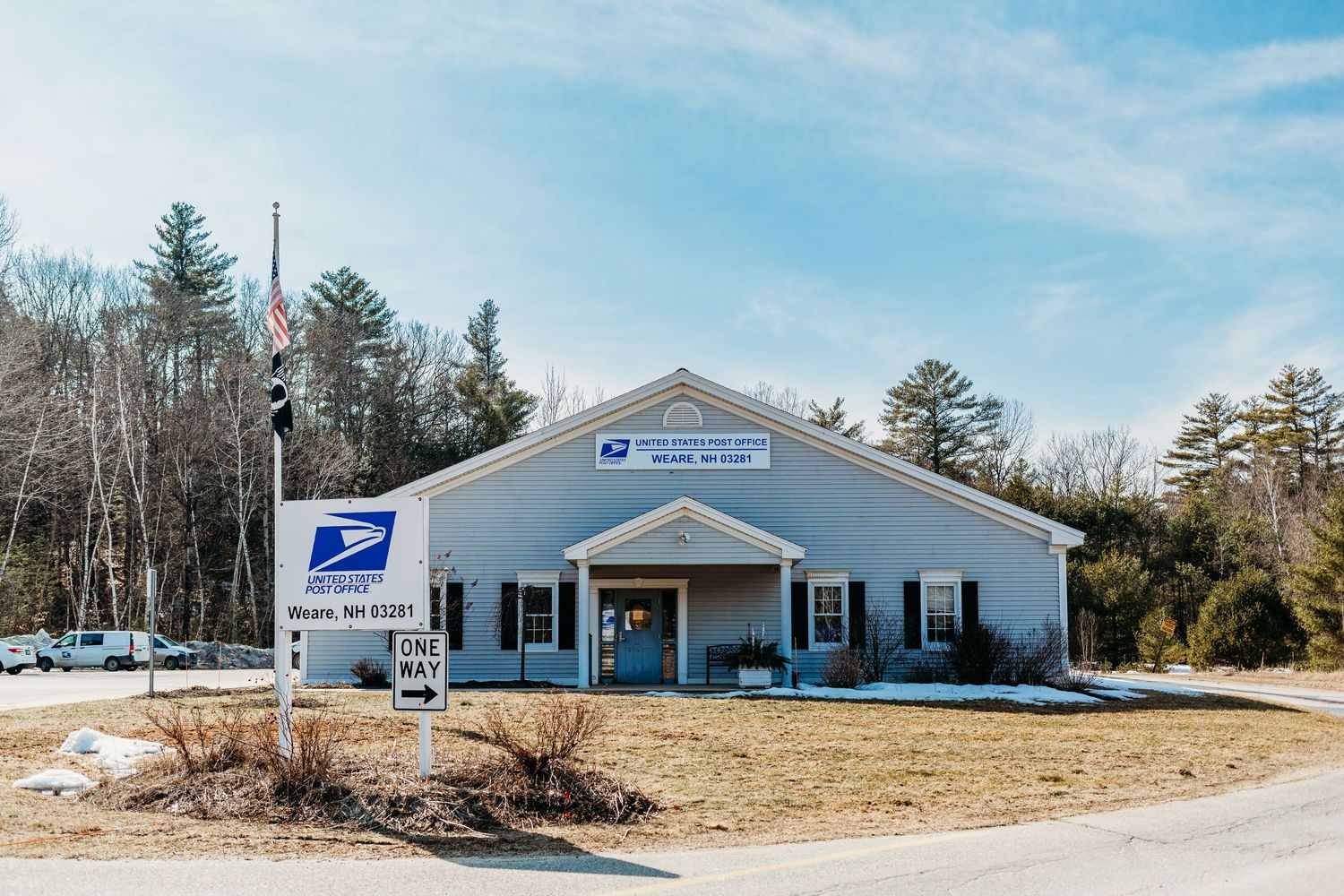
A clean, no-nonsense building with a strikingly tall flagpole — and it’s one of the few USPS spots in the area that still uses a traditional manual postmark stamp at the counter.